We offer a wide collection of free, high-quality printable coloring pages for kids and adults. From cute animals to intricate mandalas, our designs bring creativity and relaxation to everyone. Download, print, and start coloring today!

Have you ever wondered why colors make you feel certain emotions or why some shades stand out more in different places? Colors are more than just pretty sights—they carry deep meanings that change depending on where you are in the world.
Understanding the symbolism of colors across cultures can open your eyes to new perspectives and help you connect better with people from different backgrounds. Keep reading, and you’ll discover surprising meanings behind everyday colors that might just change the way you see the world around you. Learn more about the definition and importance of cultural diversity.

Color Symbolism In Western Cultures
Colors have strong meanings in many cultures. They can show feelings, ideas, or beliefs. Western cultures use colors in many ways to send messages. These colors often have clear meanings that many people understand. Learning about these meanings helps us see how colors affect our lives and choices.
Red: Passion And Danger
Red is a very powerful color in Western cultures. It often shows strong feelings like love and anger. This color can make people feel excited or alert. It is used to show danger in signs and warnings. Some common meanings of red are:
- Passion: Red is the color of love and desire.
- Energy:It can make people feel more active and awake.
- Warning: Red alerts people to be careful or stop.
- Power:It shows strength and confidence.
Red is often used in holidays like Valentine’s Day to show love. It also appears on stop signs and fire trucks to warn of danger. The color makes things stand out and grabs attention quickly.
Blue: Calm And Trust
Blue is known as a calm and peaceful color. It helps people feel relaxed and safe. Many companies use blue to show they are honest and trustworthy. The sky and ocean are blue, which adds to their peaceful feeling. Blue often means:
- Calmness:It helps reduce stress and creates peace.
- Trust:People see blue as reliable and honest.
- Stability:Blue shows strength that lasts over time.
- Coolness: It feels fresh and clean.
Many uniforms use blue to give a sense of safety. Blue is a popular color in offices because it helps focus and calm the mind. It is also a favorite color for many people worldwide.
White: Purity And Peace
Whiteis often linked to purity and new beginnings. It feels clean and simple. White shows peace and innocence in many Western traditions. It is used in weddings and important ceremonies. White can mean:
- Purity: A clean, fresh start or clear thoughts.
- Peace: Quiet, calm, and no trouble.
- Simplicity: Clear and free from clutter.
- Goodness: Often connected with honesty and kindness.
White is the color of a wedding dress in many Western cultures. Hospitals use white to show cleanliness and safety. It can also help other colors look brighter and clearer.
Color Meanings In Eastern Traditions
Colors carry deep meanings in many cultures around the world. They tell stories and show feelings without words. In Eastern traditions, colors often have special roles in ceremonies, clothes, and art. These meanings can differ from Western ideas. Understanding these colors helps us respect and enjoy diverse cultures better. Here, we explore the meanings of red, yellow, and white in Eastern cultures.
Red: Luck And Celebration
Red is a very powerful color in many Eastern cultures. It often stands for luck, joy, and celebration . People use red in weddings, festivals, and important ceremonies. It is believed to bring good fortune and protect against bad spirits. Some key points about red in Eastern traditions:
- Weddings:Brides often wear red dresses to invite happiness.
- Festivals: Red decorations are common during New Year celebrations.
- Symbols:Red paper lanterns and envelopes are used to share blessings.
The color red is seen as a sign of energy and life. It makes events feel lively and hopeful.
Yellow: Royalty And Wisdom
Yellow is a color linked with royalty and wisdom in many parts of Asia. It is often worn by kings, emperors, and monks. The color shows power, respect, and knowledge. Important facts about yellow include:
- Royalty:Yellow robes or flags mark royal families.
- Religion:Buddhist monks wear yellow robes as a sign of faith.
- Wisdom:Yellow is connected to learning and enlightenment.
Yellow brings a sense of calm and thoughtfulness. It also stands for hope and clarity in many Eastern beliefs.
White: Mourning And Death
In many Eastern cultures, white is the color of mourning and death . It contrasts with Western ideas where white means purity or peace. White is used in funerals and times of grief. It shows respect for the dead and helps others see the sadness of loss. Here is what white symbolizes:
- Funerals: People wear white clothes during mourning periods.
- Spiritual meaning: White represents the spirit leaving the body.
- Purity in death:White shows the soul’s journey to the afterlife.
White reminds people to honor their ancestors and remember loved ones who have passed away.
Colors In African Cultures
The symbolism of colors across cultures reveals how people see and use colors differently. Colors in different cultures carry deep meanings and feelings. African cultures have rich traditions where color plays a key role. Understanding color symbolism in traditions helps us learn about beliefs, history, and values. The cultural meanings of colors in Africa are unique and important. This article explores three main colors: green, black, and gold, and their special meanings. These colors show how color psychology works in cultural contexts and how the meanings of colors worldwide can differ.
Green: Fertility And Growth
Symbolism of green in African cultures often relates to life and nature. It stands for fertility and growth, showing the connection to the earth and new beginnings. Green is seen as a color of hope and health. Many African communities use green in celebrations for planting or harvest seasons. The color green also represents:
- Renewal of life in nature and people
- Harmony between humans and the environment
- Peace and balance in communities
In some regions, green is worn during important ceremonies to bring good luck and success. The cultural color associations with green can vary, but always connect to positive growth and fertility. This shows how color symbolism is tied to natural cycles in African traditions.
Black: Ancestors And Power
The color black in many African cultures is strong and deep. Black often symbolizes the link to ancestors and the spiritual world. It is a color of respect and power. Black is used to show:
- Connection to the past and those who came before
- Strength and authority in leadership
- Seriousness in rituals and ceremonies
Color symbolism in traditions also highlights black as a color that protects and guides. Wearing black can mean honoring family roots and gaining wisdom. The cultural meanings of colors like black help people feel part of their history. This shows how color psychology links feelings and identity in African cultures.
Gold: Wealth And Status
Gold color symbolism is very important in African traditions. Gold represents wealth and status. It shows success, power, and a high social rank. People use gold in jewelry, clothing, and art to display honor and prestige. Gold also means:
- Prosperity and good fortune
- Royalty and leadership
- Spiritual richness and wisdom
The cultural color associations with gold highlight its value beyond money. Gold is a sign of achievement and respect. In many African communities, gold items are given during ceremonies to mark special moments. This shows how the meanings of colors worldwide can reflect culture and history deeply.
Credit: medium.com
Symbolic Colors In Latin America
Colors carry deep meanings in many cultures around the world. In Latin America, colors are rich with symbolism. They express feelings, beliefs, and traditions. The way colors are used can show respect, joy, or sadness. Understanding these meanings helps us appreciate the culture better. Latin American countries use colors in festivals, clothes, and art to tell stories. Each color has a special role and meaning that connects people to their history and faith. You can also read about how inclusive fashion is reshaping the industry.
Orange: Energy And Vitality
Orange is a bright and warm color that shows energy and life in Latin America. It often represents the sun and fire, which are important for growth and strength. This color is used in many festivals to bring a lively and happy mood. People wear orange to feel active and full of power.
- Orange stands for warmth and enthusiasm.
- It symbolizes health and good energy.
- Orange is linked to harvest and autumn.
- It is a popular choice in decorations for celebrations.
In some areas, orange also connects to religious events. It helps show respect for nature and life. The color inspires people to work hard and stay positive. Orange creates a strong bond between individuals and their environment.
Purple: Mourning And Spirituality
Purple is a color full of meaning in Latin American culture. It is often linked to mourning and sadness. People use purple during times of loss to show respect for those who have passed away. This color also has a spiritual side. It is connected to faith and the sacred.
- Purple expresses grief and remembrance.
- It is used in religious ceremonies and rituals.
- Purple represents wisdom and mystery.
- It often appears during Holy Week celebrations.
The color purple helps people feel close to their spiritual beliefs. It reminds them of the cycle of life and death. Purple can also show hope and faith in difficult times. It is a color that balances sorrow and strength.
Pink: Joy And Celebration
Pink is a soft and happy color in Latin America. It often means joy and celebration. Pink is used in festivals, weddings, and parties to create a cheerful atmosphere. The color brings feelings of love and kindness.
- Pink symbolizes happiness and youth.
- It is common in decorations for special events.
- Pink shows affection and friendship.
- The color is linked to hope and new beginnings.
People choose pink to express positive emotions. It helps create warm and friendly environments. Pink also connects to family and community ties. Its bright tone lifts spirits and invites smiles.
Impact Of Religion On Color Symbolism
Colors carry deep meanings in many cultures worldwide. They often tell stories about beliefs, emotions, and traditions. Religion plays a big role in shaping these meanings. Different faiths use colors to express ideas about life, death, and the divine. Understanding these color meanings helps us see how people connect with their faith and culture.
Christianity And Color Codes
In Christianity, colors have strong symbolic meanings. They are used in churches, clothes, and ceremonies. These colors often represent feelings or important events.
- White: Symbolizes purity, innocence, and light. Used during Christmas and Easter.
- Red: Represents the blood of Christ, sacrifice, and love. Seen on Palm Sunday and Pentecost.
- Purple: Shows penance, preparation, and royalty. Used during Lent and Advent.
- Green: Stands for hope and life. Common in ordinary church days.
- Black: Means mourning and death. Used on Good Friday and funerals.
These colors help followers understand the church calendar and its messages. They also create a mood for worship and reflection.
Hinduism’s Color Palette
Colors in Hinduism are bright and full of meaning. They connect to gods, festivals, and daily life. Each color has its own story and feeling.
| Color | Meaning | Use |
|---|---|---|
| Red | Power, purity, and fertility | Worn by brides, used in weddings |
| Yellow | Knowledge and learning | Worn in religious ceremonies |
| Blue | Divinity and bravery | Associated with Lord Krishna and Vishnu |
| Green | Life and happiness | Used in festivals and celebrations |
| Orange (Saffron) | Renunciation and sacredness | Worn by monks and holy men |
These colors appear in temples, clothes, and decorations. They create a joyful and spiritual atmosphere.
Islamic Color Traditions
Colors in Islam hold special meanings connected to faith and culture. Some colors are linked to important ideas and figures.
- Green: Seen as the color of paradise. It is very important and often used in mosques and flags.
- White: Symbolizes purity and peace. Worn during prayers and religious events.
- Black: Represents modesty and the unknown. Used in some religious ceremonies.
- Red: Can mean bravery and strength, but is less common in religious contexts.
Colors help express respect for God and create a sense of unity among followers. They also decorate mosques and religious texts.

Credit: www.reddit.com
Modern Interpretations And Global Influence
The symbolism of colors varies greatly across different cultures. Each color can hold unique meanings and feelings depending on the culture. These meanings influence many parts of life, such as art, clothing, and communication. Today, modern interpretations and the global influence of colors blend traditional ideas with new trends. Understanding color symbolism helps to see how colors affect people worldwide.
Color Trends In Fashion
Fashion color symbolism plays a big role in the styles people choose. Designers use colors to send messages or create moods. Some colors become popular because they reflect feelings or ideas that many people relate to. For example, bright colors often show energy and happiness, while dark colors may express elegance or mystery. Popular color trends in fashion often come from cultural meanings and global events. These trends can change quickly but still connect to deep feelings.
- Red often means passion or power in many cultures.
- Blue is seen as calm or trustworthy.
- Yellow can mean happiness or caution.
- Green usually relates to nature and growth.
Fashion designers also mix colors to create new meanings. This blend shows how cross-cultural colors shape modern style. The use of color in fashion is more than just looks; it connects to feelings and traditions worldwide.
Marketing And Branding Colors
Marketing color impact is very strong. Brands choose colors carefully to connect with customers. The right color can change how people feel about a product or company. This is known as branding color psychology. Colors can build trust, excitement, or calmness. Here is how some colors are used in marketing:
| Color | Marketing Meaning | Common Use |
|---|---|---|
| Red | Energy, Urgency | Sale signs, Food brands |
| Blue | Trust, Security | Tech companies, Banks |
| Green | Health, Nature | Organic products, Eco brands |
| Yellow | Optimism, Attention | Children’s products, Warnings |
Understanding color associations in different cultures is important for global marketing. A color that works well in one place may have a different meaning elsewhere. Brands must consider these color perception differences to avoid confusion or negative feelings.
Cross-cultural Color Adaptations
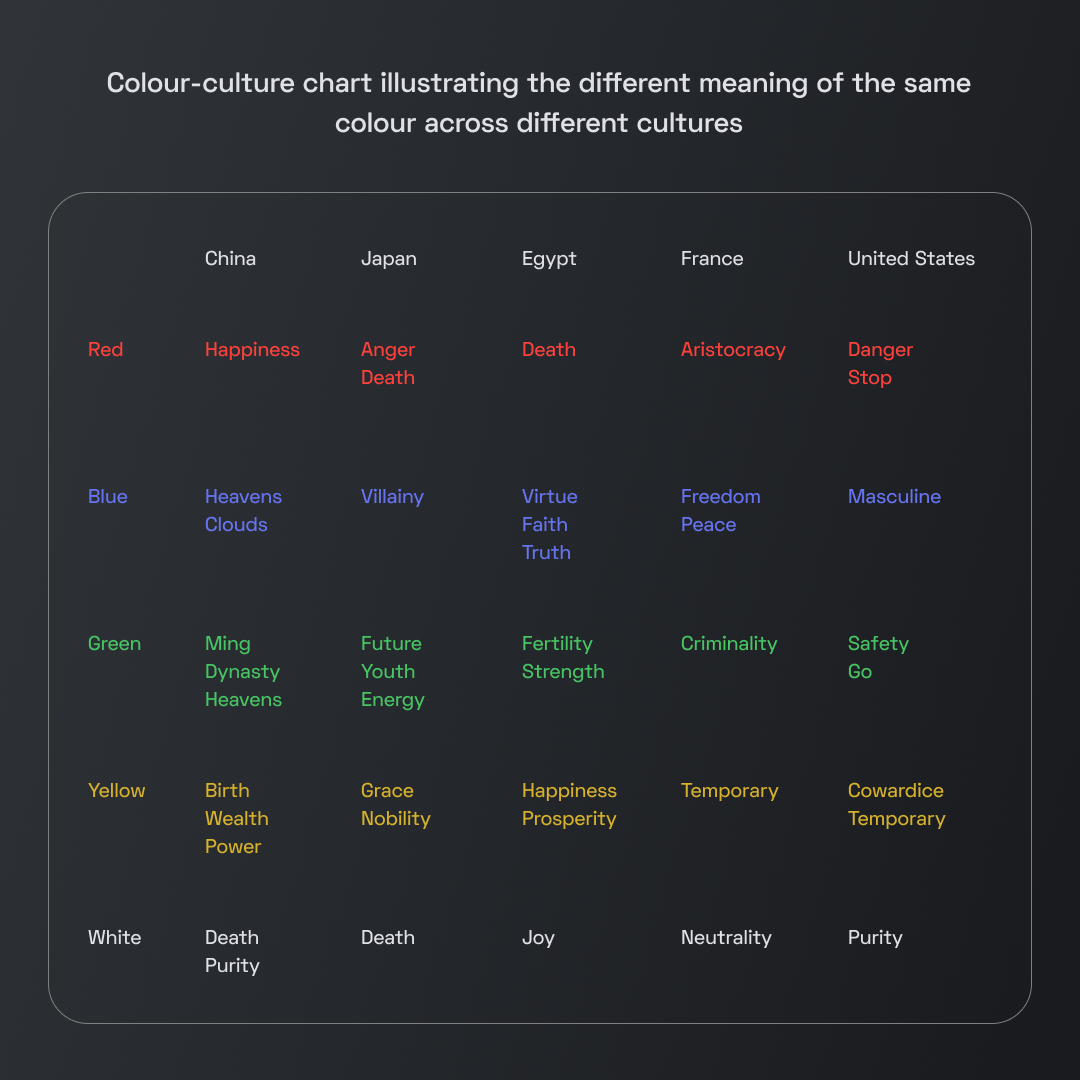
Colors do not mean the same thing everywhere. Cross-cultural colors show how meanings can change. For example, white often means purity in some cultures but can mean mourning in others. This shows why cultural color meanings matter in communication and design. Adapting colors across cultures helps messages connect better. It avoids misunderstandings and respects traditions. Here are some examples of color differences:
- White: Peace in the West, mourning in parts of Asia.
- Red: Luck in China, danger in Western countries.
- Black: Power in fashion, death in many cultures.
- Green: Fertility in some cultures, taboo in others.
Designers and marketers use this knowledge to create better color adaptations. They blend old meanings with new ideas. This helps colors work well in many places. The study of color symbolism across cultures makes global communication clearer and more effective.

Credit: www.youtube.com
Frequently Asked Questions
- What Does The Color Red Symbolize In Different Cultures? Red often symbolizes passion, love, and power worldwide. In China, it represents luck and prosperity. In some African cultures, it signifies life and health. However, in South Africa, red can symbolize mourning and death. The meanings vary widely across cultural contexts.
- How Is The Color White Interpreted Globally? White commonly represents purity, peace, and cleanliness. In Western cultures, it’s linked to weddings and innocence. In many Asian cultures, white symbolizes mourning and funerals. The color’s symbolism depends largely on cultural traditions and practices.
- Why Do Colors Have Different Meanings Across Cultures? Colors have different meanings due to historical, religious, and social influences. Cultural experiences shape how colors are perceived. These meanings evolve and vary by region. Understanding these differences helps in global communication and design.
- What Does The Color Black Represent In Various Cultures Black often symbolizes mourning, death, and mystery in Western cultures. In some African cultures, it signifies maturity and masculinity. In Japan, black can represent nobility and experience. Its interpretation is diverse, depending on cultural beliefs and traditions.
Conclusion
Colors carry deep meanings in every culture. They tell stories without words. Red can mean love or danger, depending on where you are. White may show peace or mourning. Understanding these differences helps us connect with others better. It opens our eyes to new ways of thinking.
Colors unite people in many unique ways. They are more than just shades; they hold powerful symbols. Remember, the meaning of color changes with place and culture. This knowledge makes the world feel smaller and friendlier.